
Doing Business During Ramadan in the Arab World: Arabic Language & Etiquette Guide
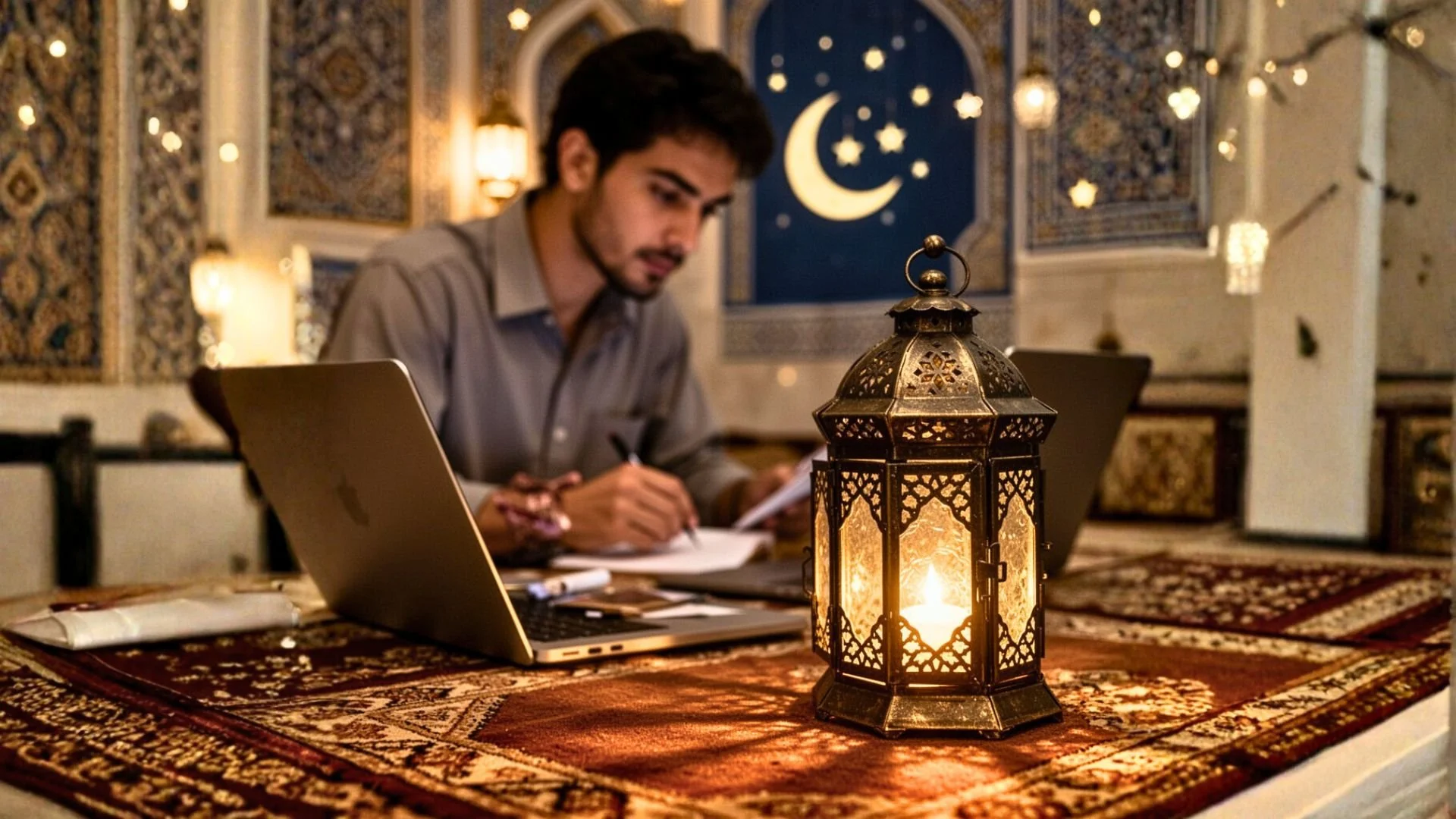
Beyond its religious significance, Ramadan transforms business culture across Arab countries each year. Working hours change, communication styles adapt, and professional expectations shift.
For professionals working in the Arab world, understanding Ramadan is important for effective business communication and cultural awareness. Whether you are managing teams, attending meetings, or building client relationships, knowing how business culture evolves during this month can strengthen trust and credibility.

Using appropriate Arabic phrases during Ramadan, even simple greetings, shows respect and cultural understanding. For anyone learning Arabic for professional purposes, this period offers a valuable opportunity to connect language with practical business context.
Ramadan’s Impact on Business and the Workplace
1. Adjusted Working Hours
Across Arab countries, working hours are usually reduced during Ramadan. Government offices and many private companies shorten their schedules. Meetings are often scheduled earlier in the day, and productivity rhythms naturally shift.
Energy levels may fluctuate, especially in the afternoon, as people are fasting from sunrise to sunset. Planning meetings in the morning shows consideration.
Avoid scheduling high-pressure negotiations late in the day unless it’s necessary.

2. Meeting Expectations
During Ramadan, patience and calm communication are even more appreciated. Conversations may feel slightly slower, and relationship-building often becomes more important than urgency.
It is common to begin meetings with Ramadan greetings.

If you want to use Arabic more confidently at work, join a free trial class with 3arabian. Learn 3arabEasy, our neutral spoken Arabic understood across Arab regions, or any dialect you choose.
3. Hospitality Norms
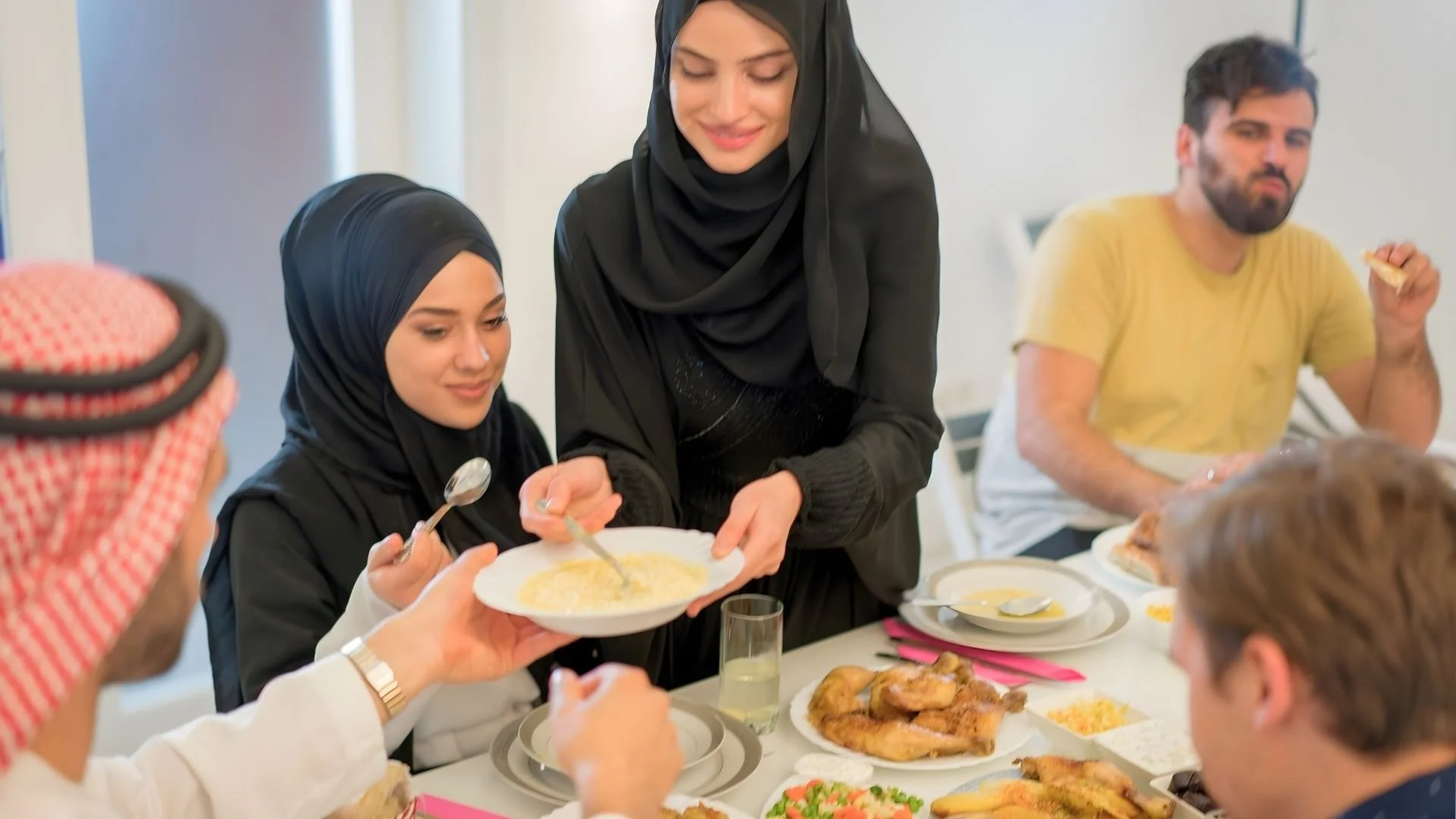
Even during fasting hours, hospitality remains central to Arab culture. You may be invited to an iftar, the evening meal that breaks the fast. Accepting, when possible, can be a meaningful opportunity to build trust and strengthen professional connections.
If you are not fasting:
Avoid eating or drinking openly in front of fasting colleagues
Be discreet in shared spaces
Show appreciation for invitations
Small gestures matter.

4. Essential Ramadan Arabic Phrases for Professionals
Using even a few Arabic expressions during Ramadan can positively impact your professional presence.
Here are a few key phrases:
Ramadan Kareem
رمضان كريم
A generous Ramadan
Kul ‘am wa antum bikhair
كل عام وأنتم بخير
May you be well every year
Even simple greetings can go a long way.
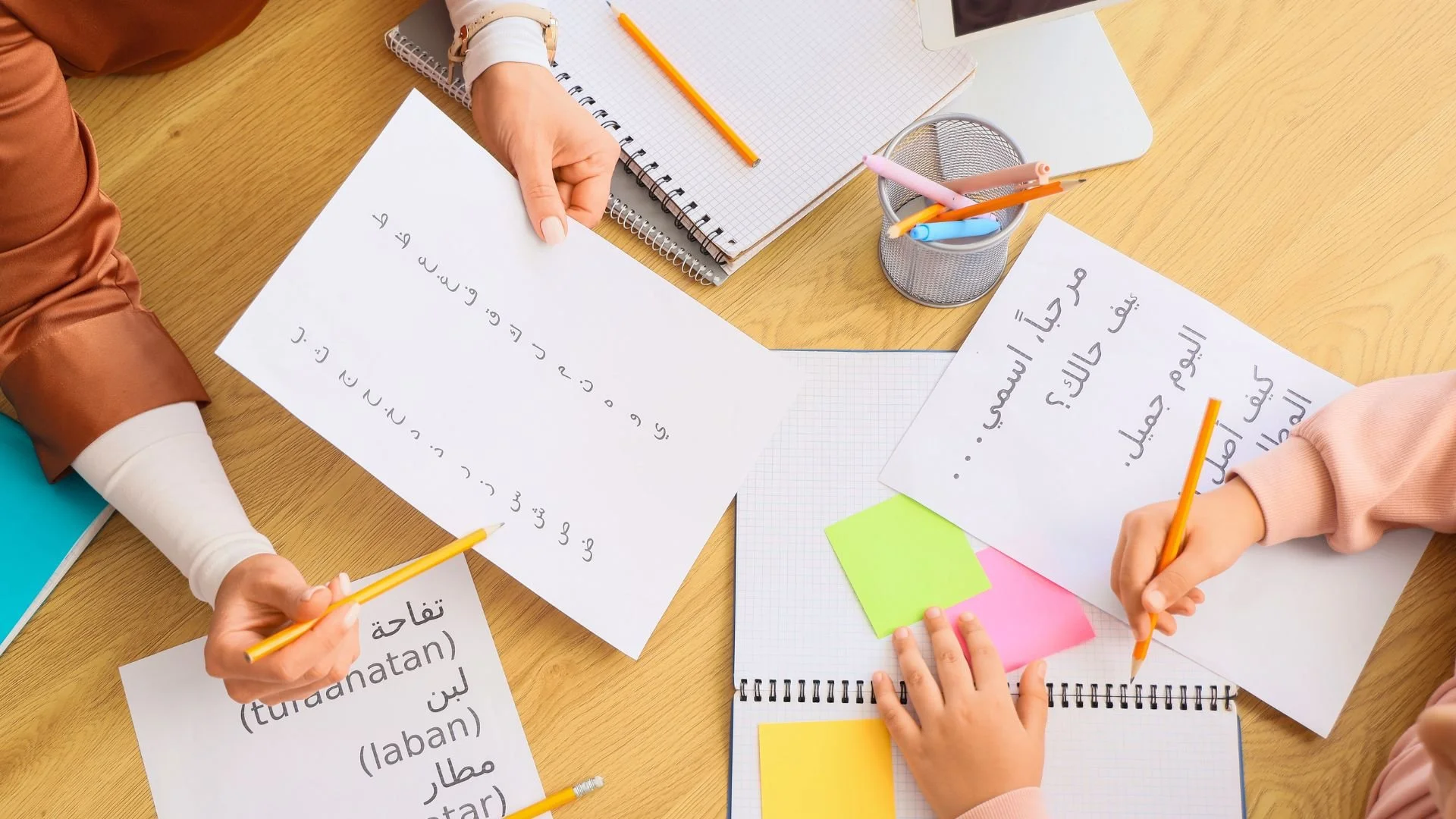
Practice Arabic During Ramadan – Free Beginner Worksheet
If you want to move beyond greetings and use Ramadan vocabulary more confidently, we created a practical Learn Arabic During Ramadan – Beginner Worksheet.
The worksheet helps you:
Recognize key Ramadan words like iftar, suhoor, fasting, lantern, and crescent moon
Practice useful verbs such as fast, pray, eat, drink, and invite
Build simple Ramadan-related sentences
You can use it on your own or alongside your lessons.
Building Stronger Relationships During Ramadan
Ramadan is often a time of reflection, generosity, and community. Businesses may host charitable initiatives, shared meals, or small gatherings. Participating respectfully, even in simple ways, can deepen professional relationships.
Understanding the spirit of the month matters just as much as understanding the schedule.
Final Thoughts
Doing business during Ramadan is not complicated. It requires awareness, empathy, and thoughtful adjustments.
Understand the rhythm of the month.
Respect changes in working hours.
Adjust your communication style.
Learn key phrases and use them sincerely.

If your organization works with Arabic-speaking markets, our Corporate Arabic Training programs help your team communicate with clarity and cultural confidence. We tailor each course to your industry, business goals, and schedule. Book a demo to explore how we can support your team.