The First 10 Arabic Words You Should Ever Learn
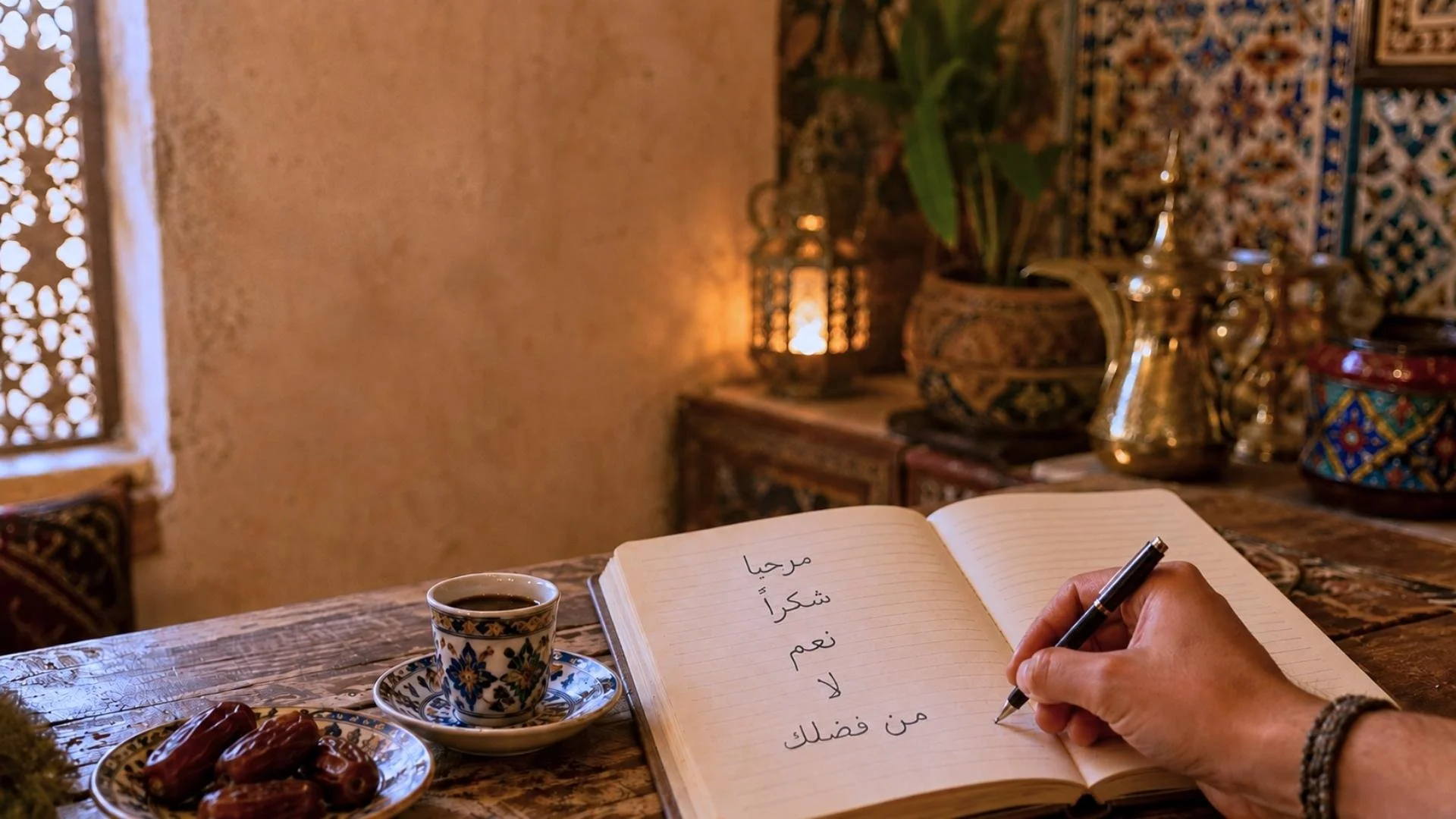
Arabic can feel big at first.
The letters look different. The sounds feel new. And then you realize there are different dialects too, which can make the whole thing feel a little overwhelming.
But here is the good news: you do not need to start with complicated grammar or long sentences. You can start with a few simple words that Arabic speakers actually use all the time.
In this blog, we are looking at the first 10 Arabic words you should learn as a beginner, with Arabic script, pronunciation, meanings, and simple examples.
Let’s start with the Arabic words you will probably hear everywhere.
1. Marhaba (مرحبا)
Language style: Neutral Arabic / widely understood
Meaning: Welcome / hello
This is one of the easiest Arabic greetings to learn.
Marhaba is friendly, simple, and widely understood across the Arab world. You can use it when meeting someone, entering a shop, starting a conversation, or greeting a teacher in class.
For example:
Marhaba! Keef 7aalak??
Hello! How are you?
Use keef 7aalak when speaking to a male, and keef 7aalik when speaking to a female.
Even if you know nothing else yet, marhaba is a great first word because it helps you start speaking right away.
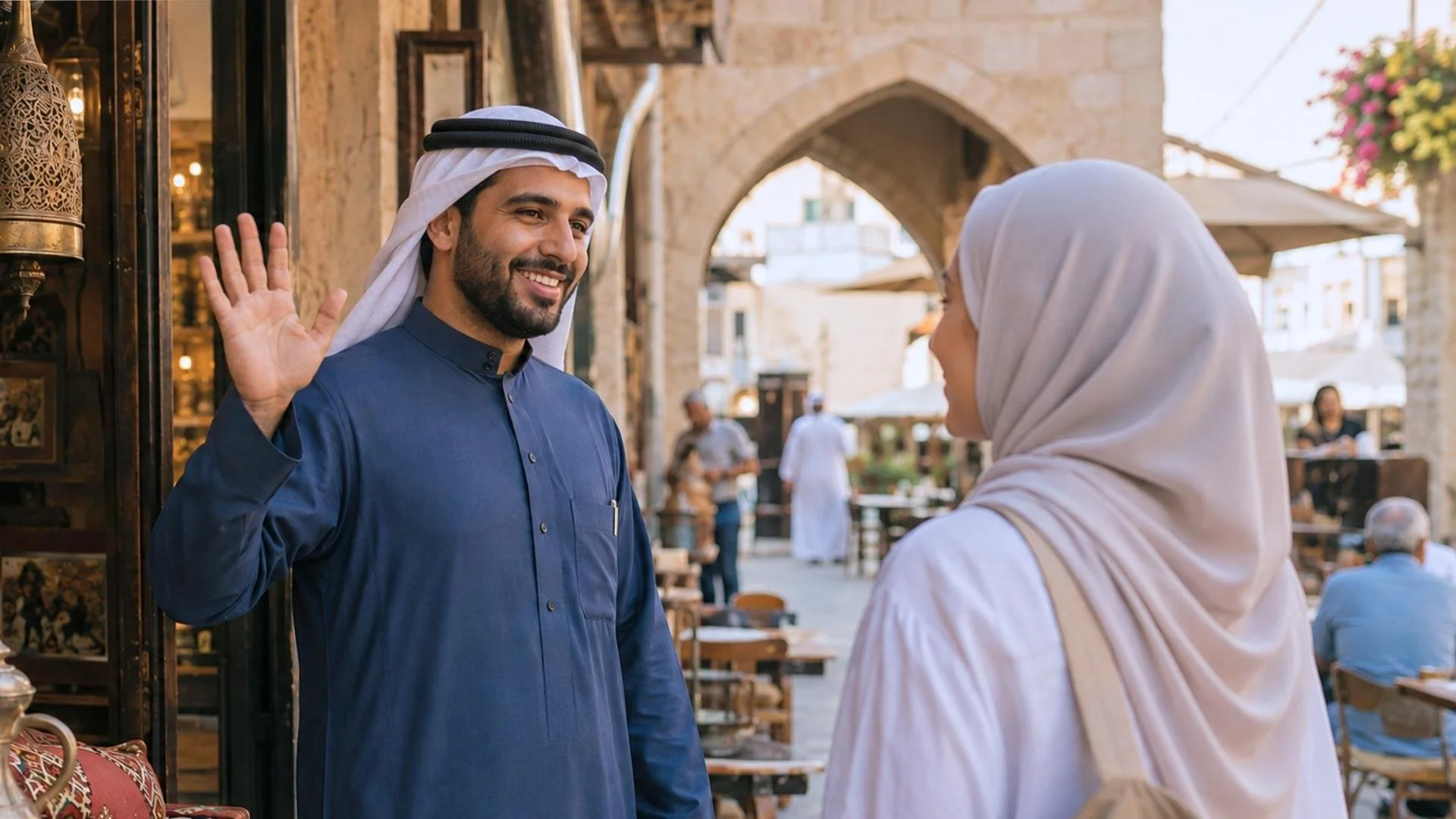
2. Shukran (شكرًا)
Language style: Neutral Arabic / widely understood
Meaning: Thanks/gratitude
If you learn only one polite Arabic word, make it shukran.
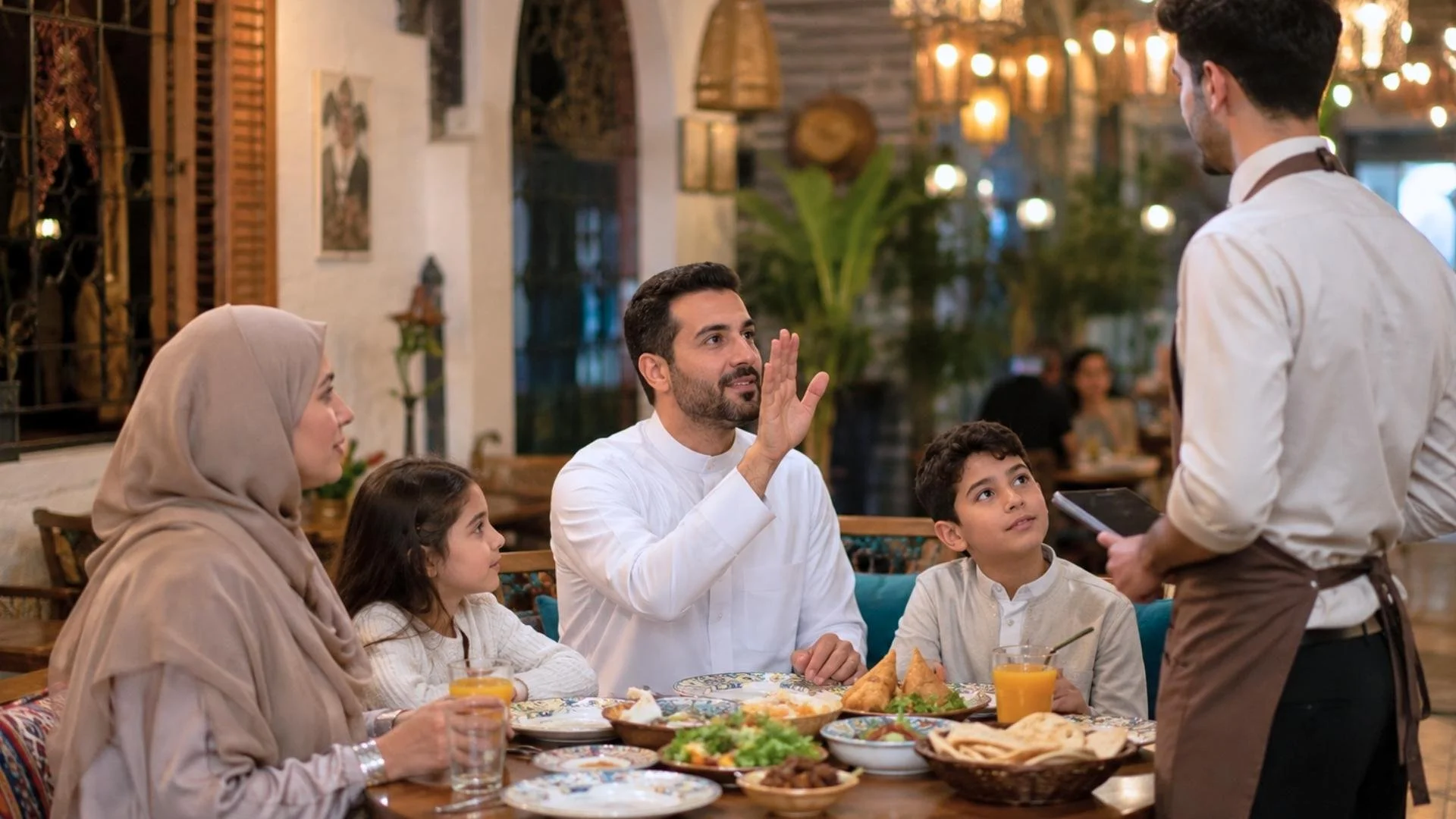
You will use it constantly. In restaurants, taxis, shops, lessons, and everyday conversations.
For example:
When someone helps you? Shukran.
When someone gives you directions? Shukran.
Your tutor explains something again? Definitely shukran.
It is simple, useful, and always appreciated.
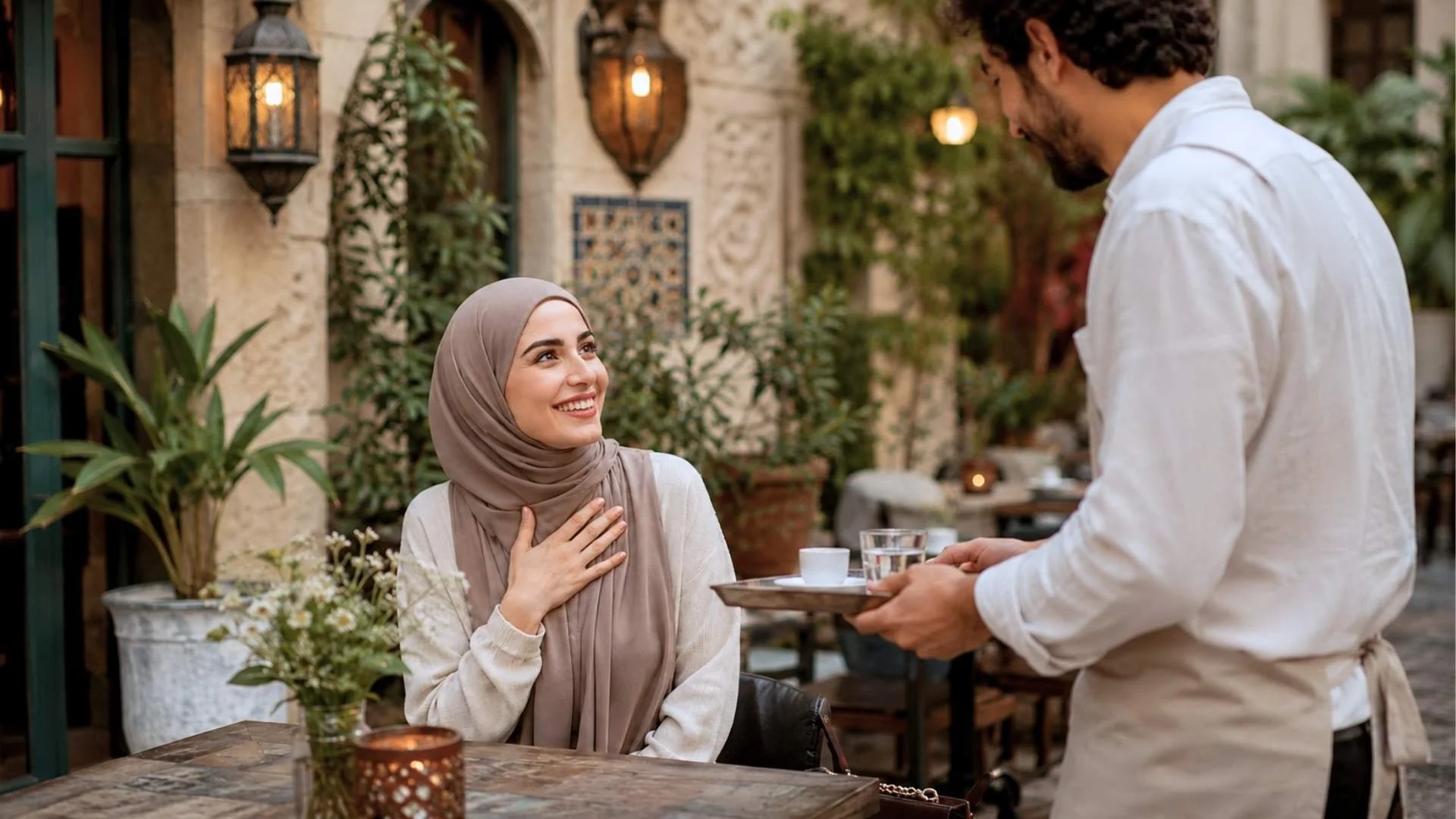
3. Na3am & La (نعم / لا)
Language style: Neutral Arabic / widely understood
Meaning: Yes / No
These are two of the simplest Arabic words, but you will use them all the time.
Na3am/Eh means “yes,” and la means “no.”
For example:
Na3am/Eh , afham.
Yes, I understand.
La, shukran.
No, thank you.
They are small words, but they help you answer, react, and take part in simple conversations right away.

4. Min fadlak / Min fadlik (من فضلك)
Language style: Neutral Arabic / widely understood
Meaning: Please
Min fadlak means “please” when speaking to a man.
Min fadlik means “please” when speaking to a woman.
This phrase is useful when asking for something politely.
For example:
Sa3idini, min fadlik.
Help me, please.
You do not need perfect grammar to use it. Even placing it after a simple word can make your Arabic sound more polite and natural.
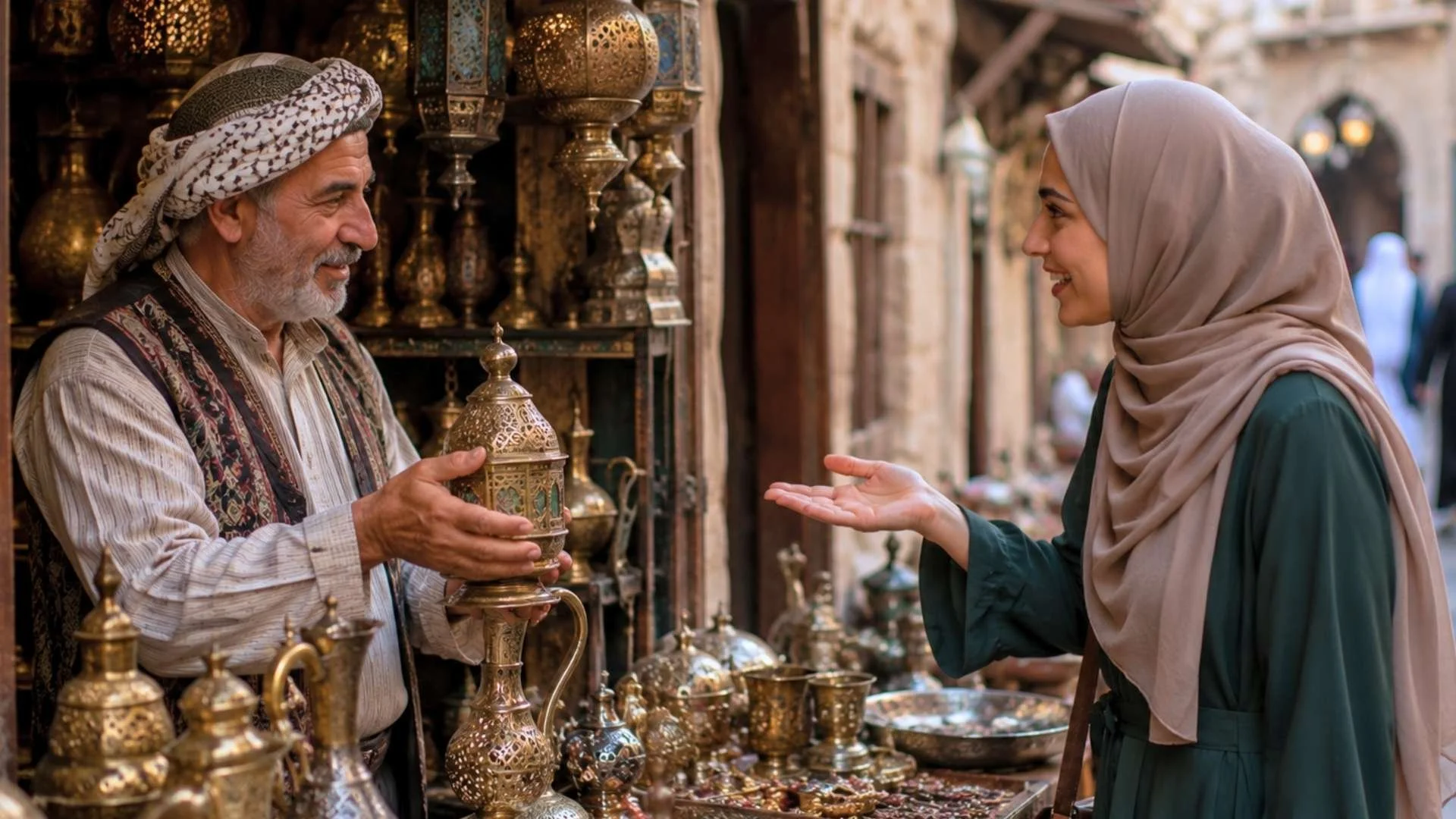
5. 3afwan (عفوًا)
Language style: Neutral Arabic / widely understood
Meaning: You’re welcome / Excuse me
Afwan is one of those Arabic words with more than one use.
If someone says shukran, you can reply with 3afwan.
It can also be used like “excuse me” in some situations, especially when you want to politely get someone’s attention.
For example:
Shukran.
Thank you.
3afwan.
You’re welcome.
It is a small word, but it makes your Arabic sound more polite and complete.
Start learning Arabic with a free trial class at 3arabian. Get a feel for the dialect, tutor, and learning style that fits you best.
6. Esmi (اسمي)
Language style: Neutral Arabic / widely understood
Meaning: My name
This is one of the first words you need for introductions.
Esmi means “my name is.”
For example:
Esmi Sarah.
My name is Sarah.
It is short, practical, and immediately useful when meeting someone new.
Once you learn Esmi, you can introduce yourself in Arabic without needing a complicated sentence.

7. Ma3 as-salaama (مع السلامة)
Language style: Neutral Arabic / widely understood
Meaning: Goodbye
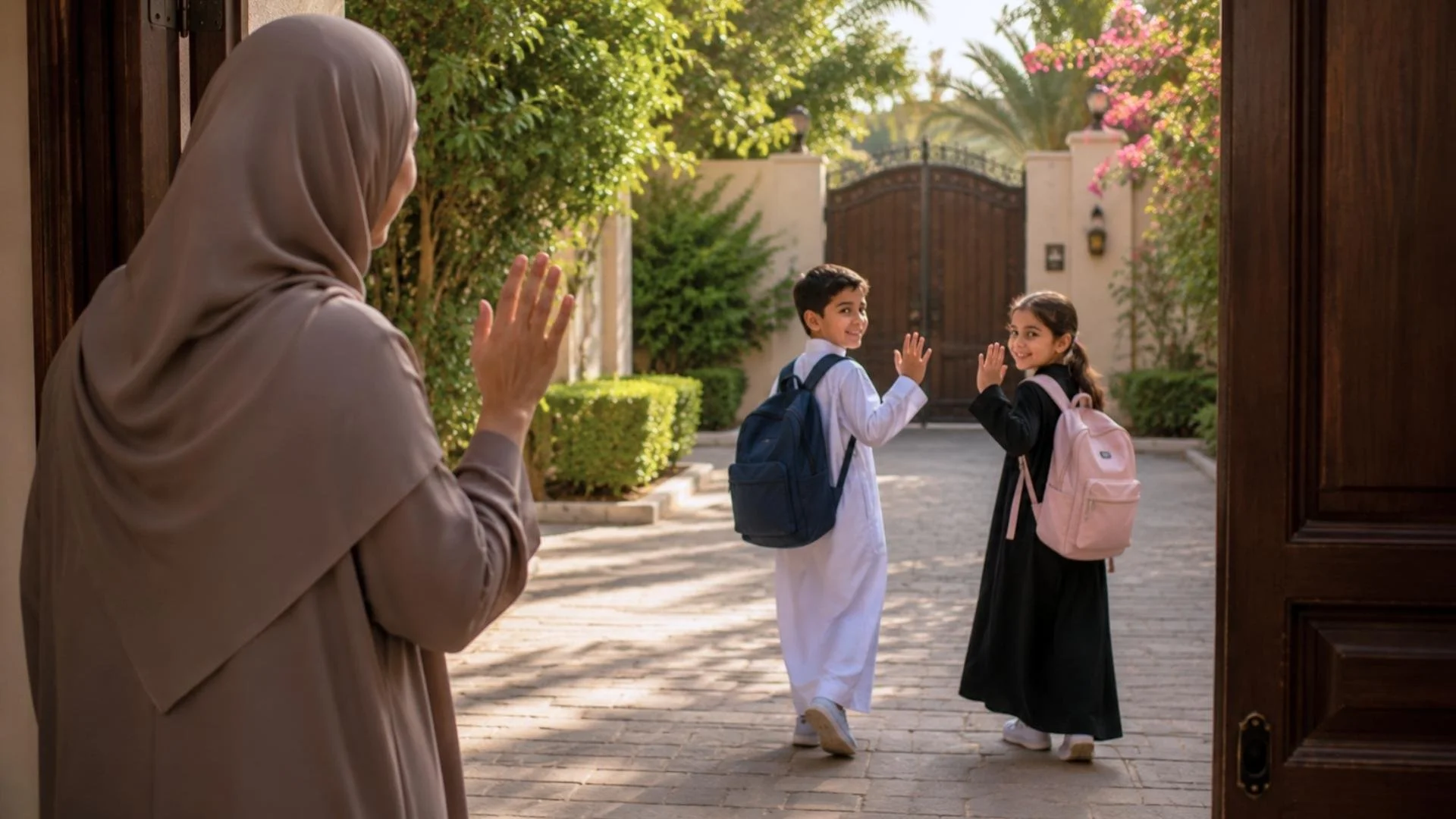
This is one of the most common ways to say goodbye in Arabic.
Ma3a as-salama literally carries the meaning of leaving “with safety” or “with peace.” It sounds warm, polite, and natural.
For example:
Ma3a as-salaama.
Goodbye, see you later.
You can use it at the end of a conversation, class, phone call, or visit.
It is a beautiful phrase because it feels more thoughtful than just “bye.”
8. Mumkin (ممكن)
Language style: Neutral Arabic / widely understood
Meaning: Possible
Used like: Can I...? / Could you...? / Is it possible?
Momkin is one of the most useful Arabic words for beginners.
It literally means “possible,” but in everyday conversation, it can help you ask for things.
For example:
Momkin qahwa, min fadlak?
Can I have coffee, please?
Momkin su2al?
Can I ask a question?
It is not always a perfect sentence, but people will understand you. And that is the point at the beginning: communication first, perfection later.

9. Tayyeb (طيّب)
Language style: Neutral Arabic / widely understood
Meaning: Good/pleasant/okay
Tayyeb is one of those words you will hear often in everyday Arabic.
It can mean “okay,” “fine,” or “good,” depending on the situation and tone.
For example:
Tayyeb, shukran.
Okay, thank you.
Someone explains something and you understand? Tayyeb.
You agree to a simple plan? Tayyeb.
You want to politely show that something is clear? Tayyeb, shukran.
It is simple, natural, and very useful for real conversations.

10. Insha’Allah (إن شاء الله)
Language style: Neutral Arabic / widely understood
Meaning: If God wills/ God willing
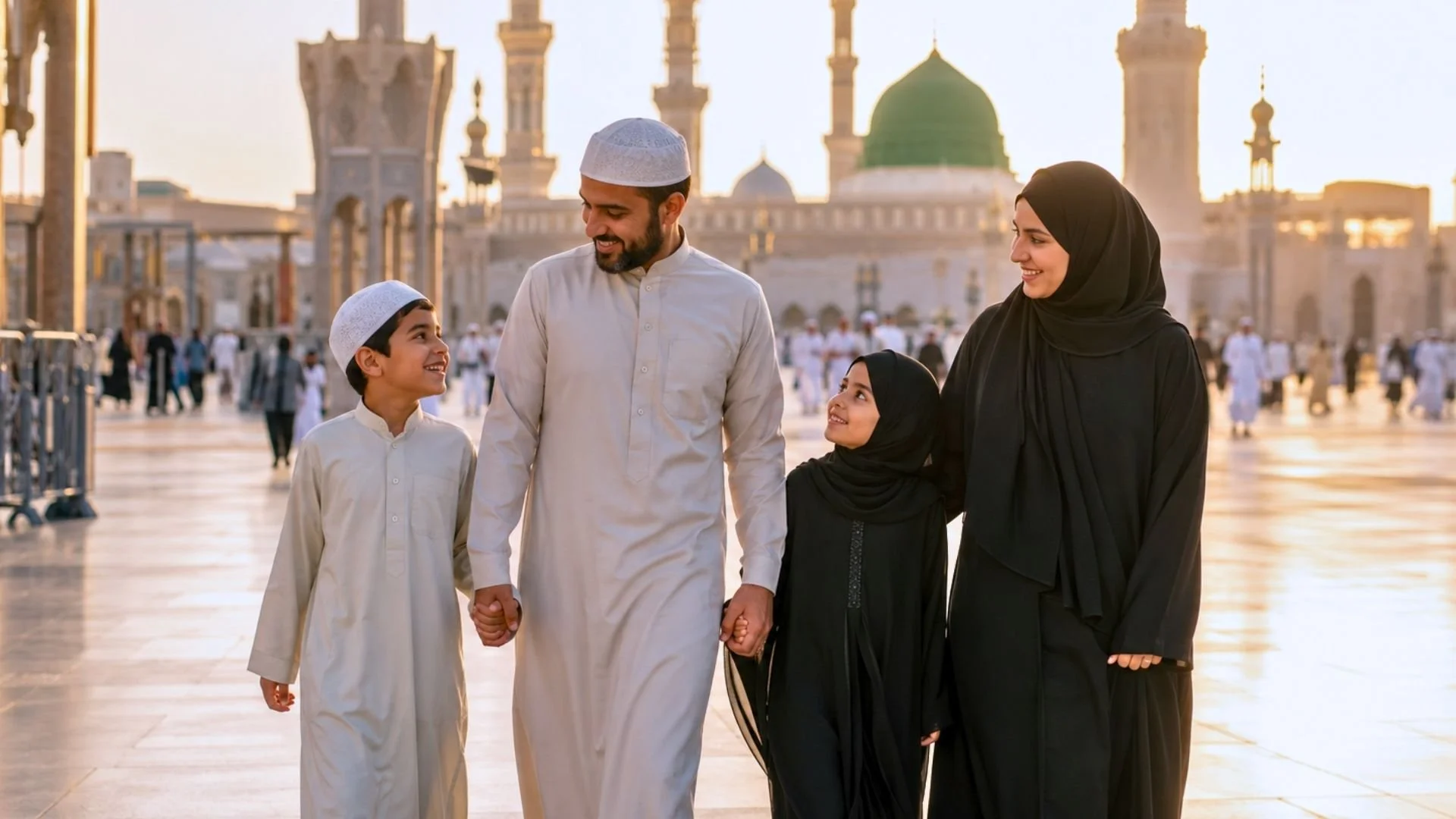
Insha’Allah is one of the most common Arabic phrases you will hear, and it is understood across the Arab world. People use it when talking about something they hope will happen in the future.
For example:
Bashufak bukra, Insha’Allah..
I will see you tomorrow, God willing.
You might hear it when someone talks about plans, goals, travel, work, or anything that depends on the future.
Going to class tomorrow? Insha’Allah.
Planning to visit someone soon? Insha'Allah.
Hoping something works out? Insha'Allah.
It reflects the idea that the future is not fully in our hands, so people say it with hope, faith, and a little humility.
Why These Arabic Words Matter
When you first start learning Arabic, it is easy to think you need to master everything before you speak.
You do not.
A few simple words can already help you greet people, say thank you, introduce yourself, ask simple questions, and understand basic everyday interactions.
They also help you get used to how Arabic feels, how people use tone, and how much meaning can fit into a short phrase.
That is why beginner Arabic should not only be about memorizing lists. It should be about learning useful words in everyday situations.
Final Thoughts
The first Arabic words you learn should be simple, practical, and easy to use.
Start with words like "marhaba," "shukran," "na3am/Eh," "la," and "tayyeb." You will hear them often, use them quickly, and build confidence every time you recognize them in real life.
Arabic may feel unfamiliar at first, but it becomes much less intimidating when you begin with everyday words that help you communicate.
Little by little, Arabic starts to feel less like a subject and more like a language you can actually live with.
Start using Arabic with more confidence, not just memorizing words.

3arabian gives you live online classes with native tutors, flexible scheduling, and lessons built around the Arabic style or dialect that fits your goals.